
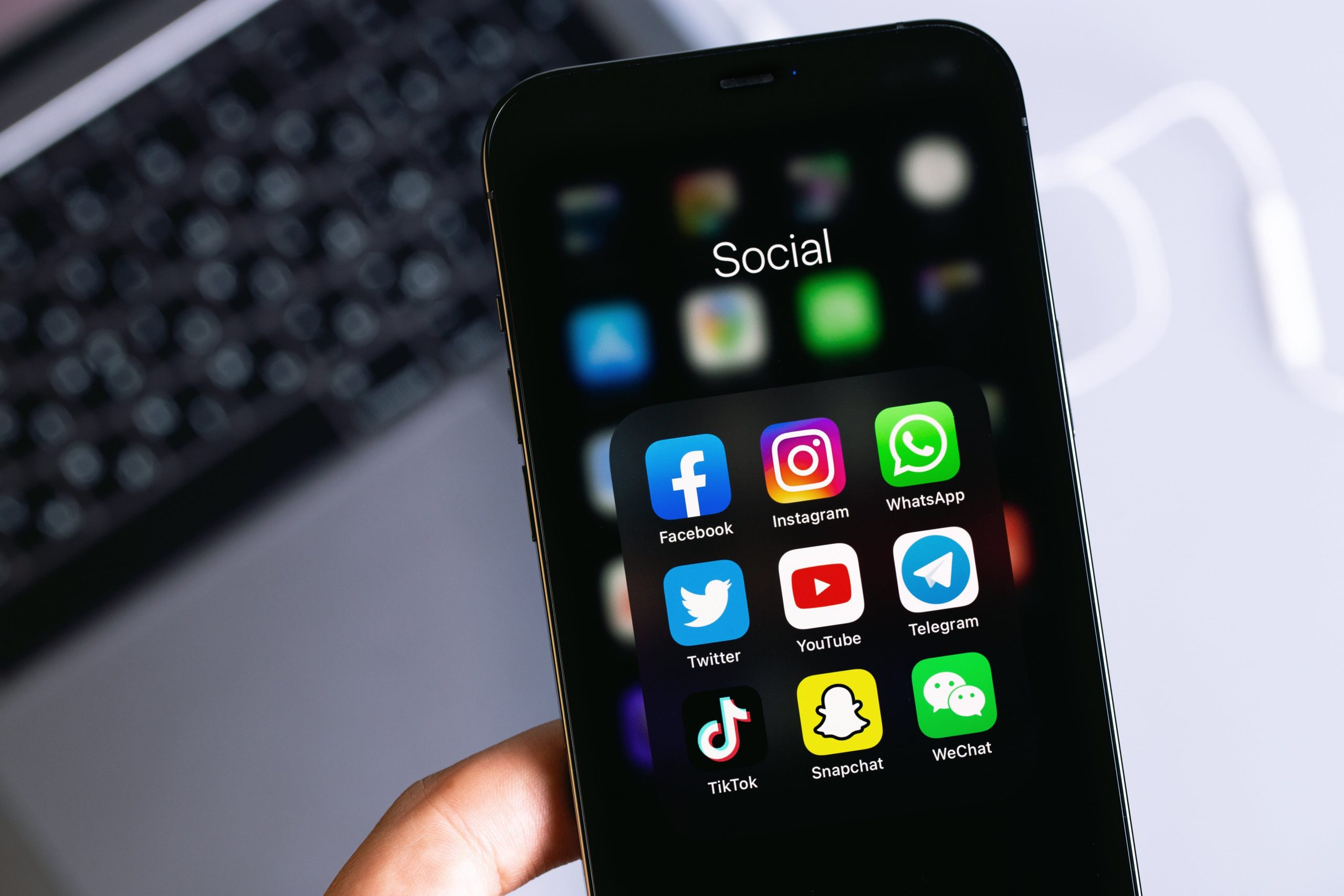
The rapid advancement of information and communication technology has transformed the way people interact, learn, and access information. One of the most significant innovations of the digital age is social media. Social media refers to online platforms that enable users to create, share, and exchange information, ideas, opinions, and multimedia content. Platforms such as Facebook, Instagram, TikTok, WhatsApp, X, formerly Twitter, YouTube, and Snapchat have become an integral part of students’ daily lives.
Today, social media is more than just a communication tool; it serves as a source of information, entertainment, education, and networking. Students rely on social media for academic discussions, research, collaboration, and maintaining social relationships. However, while social media offers numerous educational and social benefits, its excessive or irresponsible use can negatively affect students’ academic performance, mental health, and overall development.
This write-up examines both the positive and negative impacts of social media on students and highlights ways they can use these platforms responsibly.
POSITIVE IMPACTS OF SOCIAL MEDIA ON STUDENTS
- Enhances learning opportunities
Social media has expanded access to educational resources beyond the traditional classroom. Students can access online tutorials, educational videos, research materials, academic forums, and digital libraries. Educational content creators regularly share lessons that help students understand complex concepts.
Furthermore, students can participate in webinars, virtual classes, and online discussions, making learning more flexible and accessible.
- Improves communication and collaboration
Social media facilitates instant communication among students, teachers, and educational institutions. Group chats and discussion forums allow students to share ideas, discuss assignments, and work collaboratively on projects.
This enhanced communication improves teamwork, encourages knowledge sharing, and strengthens academic relationships among students.
- Promotes creativity and self-expression
Social media platforms provide opportunities for students to express themselves creatively through writing, photography, music, art, and video production. Students can showcase their talents to a global audience and receive feedback that helps improve their skills.
Such opportunities encourage innovation, confidence, and personal development.
- Broadens knowledge and global awareness
Through social media, students gain exposure to global events, cultural diversity, technological innovations, and international issues. They can learn about different societies and perspectives, fostering tolerance, understanding, and global citizenship.
Social media helps students remain informed about current affairs and emerging trends around the world.
- Supports career development
Students can use social media to connect with professionals, mentors, and organizations within their fields of interest. Many employers and institutions use social media platforms to advertise internships, scholarships, training opportunities, and job vacancies.
Building professional networks early can significantly enhance future career prospects.
- Encourages social interaction
For many students, social media helps maintain relationships with family, friends, and colleagues. It enables communication across geographical boundaries and provides emotional support through online communities and peer networks.
NEGATIVE IMPACTS OF SOCIAL MEDIA ON STUDENTS
- Academic distraction
One of the most significant drawbacks of social media is distraction. Students often spend excessive time browsing social networking sites, watching videos, and engaging in online conversations.
This can reduce study time, lower concentration levels, and negatively affect academic performance. Many students struggle to balance social media usage with their educational responsibilities.
- Addiction and dependency
Social media platforms are designed to encourage continuous engagement. Notifications, likes, comments, and shares can create dependency, causing students to spend long hours online.
Excessive use may interfere with sleep patterns, reduce productivity, and limit participation in physical and social activities.
- Cyberbullying and online harassment
The anonymity of the internet sometimes encourages harmful behavior. Many students experience cyberbullying, including insults, threats, rumors, and public humiliation.
Victims of cyberbullying often experience emotional distress, low self-esteem, anxiety, and depression.
- Mental health challenges
Research suggests that excessive social media use can contribute to stress, anxiety, loneliness, and depression. Constant exposure to carefully curated images and lifestyles may cause students to compare themselves unfavorably with others.
Such comparisons can negatively affect self-confidence and body image.
- Exposure to misinformation
Not all information available on social media is accurate. Students may encounter fake news, misleading content, and misinformation.
Without critical thinking and fact-checking skills, students may develop incorrect beliefs or make poor decisions based on false information.
- Privacy and security Concerns
Many students share personal information online without fully understanding the risks involved. This can expose them to identity theft, fraud, cybercrime, hacking, and online predators.
Therefore, protecting personal information has become increasingly important in the digital age.
- Decline in face-to-face communication skills
Excessive reliance on digital communication can reduce opportunities for direct interpersonal interactions. Some students may struggle with public speaking, relationship building, and effective face-to-face communication.
Strong interpersonal skills remain essential for academic success and future careers.
STRATEGIES FOR RESPONSIBLE SOCIAL MEDIA USAGE
To maximize the benefits and minimize the negative effects of social media, students should:
Establish daily time limits for social media use.
Prioritize academic responsibilities before online activities.
Verify information from credible sources.
Protect personal information and maintain privacy settings.
Avoid cyberbullying and promote respectful online interactions.
Engage in physical activities and face-to-face social interactions.
Use social media primarily as a tool for learning, networking, and personal growth.
CONCLUSION
Social media has revolutionized communication and education in the twenty-first century. It provides students with opportunities for learning, collaboration, creativity, networking, and global engagement. Nevertheless, excessive and irresponsible use can result in academic challenges, mental health issues, cyberbullying, and security risks.
Therefore, students must develop self-discipline and digital literacy skills to use social media responsibly. When properly managed, social media can serve as a powerful educational tool that supports academic achievement, personal development, and career advancement.
In essence, social media is neither entirely beneficial nor entirely harmful. Its impact depends largely on how students choose to use it.
ABOUT THE WRITER
William Bediako Mantey is an emerging media and communications professional currently pursuing a Bachelor of Arts in Communication Studies at the University of Professional Studies, Accra (UPSA).