
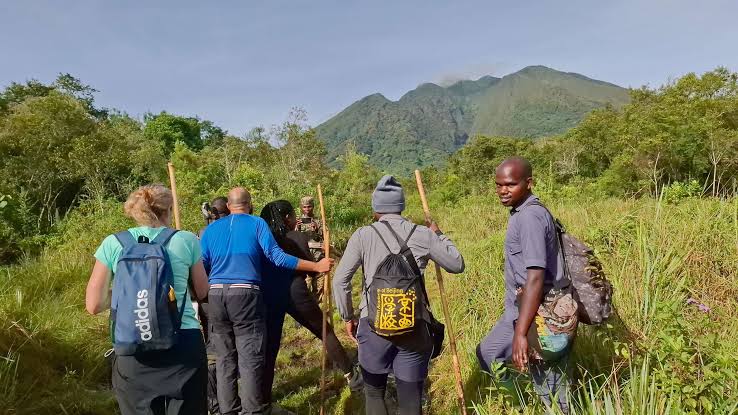
Education does not only happen within the four walls of a classroom. Some of the most valuable lessons come from experiencing new places, cultures, and environments firsthand. Educational travel has become an increasingly popular way for students to broaden their knowledge while developing important life skills that cannot always be learned from textbooks alone.
Building Confidence and Independence
Travel often places students in unfamiliar situations that require them to adapt, communicate, and make decisions. Whether it is navigating a new city, interacting with people from different backgrounds, or participating in group activities, these experiences help students become more confident and self-reliant.
By stepping outside their comfort zones, students learn to trust their abilities and become more resilient when faced with challenges.
Expanding Cultural Awareness
One of the greatest advantages of educational travel is exposure to different cultures and ways of life. Students gain a deeper appreciation for diversity by interacting with people whose traditions, languages, and perspectives may differ from their own.
These experiences encourage empathy, open-mindedness, and a broader understanding of the world, qualities that are increasingly important in today’s interconnected society.
Enhancing Academic Learning
Educational travel brings classroom lessons to life. History students can visit historical landmarks, environmental science students can explore natural ecosystems, and language learners can practice communication in real-world settings.
Seeing concepts in action helps students understand and retain information more effectively than relying solely on classroom instruction.
Reducing Stress and Improving Well-Being
Academic life can be demanding, and students often face significant pressure from assignments, examinations, and deadlines. Educational trips provide a refreshing change of environment that promotes relaxation and mental well-being.
Exploring new places, spending time outdoors, and engaging in meaningful activities can help students return to their studies with renewed energy and motivation.
Developing Practical Life Skills
Travel teaches skills that are useful throughout life. Students learn problem-solving, time management, teamwork, adaptability, and effective communication. These abilities are valuable not only in education but also in future careers and personal relationships.
The challenges encountered during travel often become opportunities for growth and learning.
Creating Global Connections
Educational travel allows students to meet peers, educators, and professionals from different regions and countries. These interactions can lead to lasting friendships, professional networks, and collaborative opportunities.
Building international connections helps students develop a global perspective and prepares them for an increasingly interconnected workforce.
Conclusion
Educational travel is much more than a break from routine. It is a powerful learning experience that promotes personal growth, academic development, cultural understanding, and lifelong skills. By exploring new environments and engaging with diverse communities, students gain experiences that shape their perspectives and prepare them for future success.
The lessons learned through travel often remain with students long after the journey has ended, making educational travel one of the most rewarding investments in a student’s development.